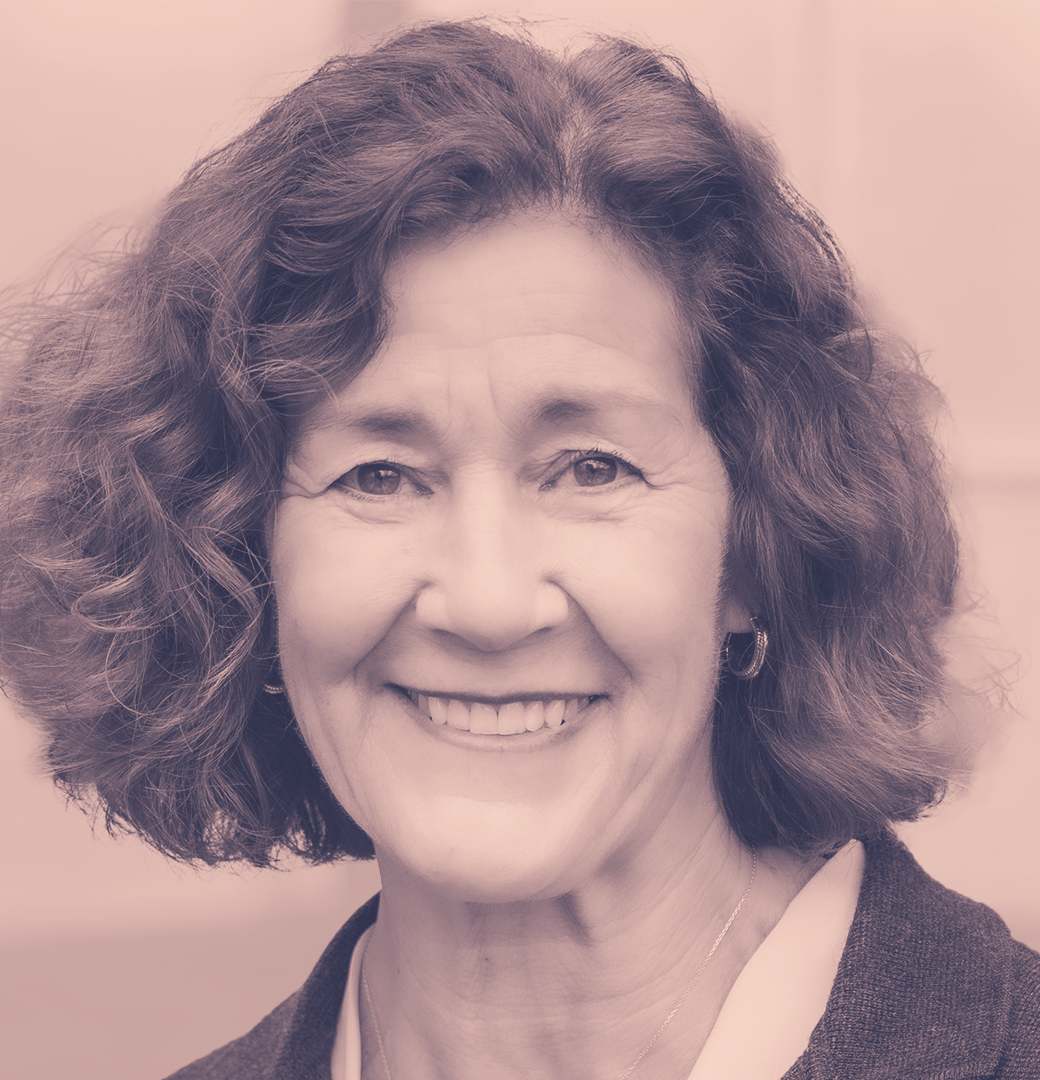
Understanding Menopause
- Dr. Susan Reed emphasizes that women navigating menopause should prioritize a “three-legged stool” of fitness —cardiovascular exercise, strength training, and balance — to support long-term health.
- She says these habits can help protect heart health, strengthen bones and muscles, and reduce the risk of falls.
- A healthy diet rich in fruits, vegetables, whole grains, and protein is also an important part of staying well.
When it comes to navigating menopause and perimenopause, Dr. Susan Reed, a board-certified obstetrician-gynecologist and Professor Emeritus at UW Medicine, stresses that staying active through cardiovascular exercise, strength training, and balance-focused workouts can play a key role in supporting long-term health and well-being.
“So what I tell my patients in clinic is that if you have not exercised before, you need to start now,” Dr. Reed tells SurvivorNet. Read MoreCardio, Strength, and Balance: The Essential Trio
“One, you have to do cardiovascular workouts, and so that means you have to breathe hard. A woman needs to walk fast. She can’t just walk and get a little sweat on. She’s got to get a glow going. You can do that by riding bikes, swimming, walking — all kinds of things. That’s cardiovascular health,” says Dr. Reed. “Secondly is muscle strength. You need to eat more protein and you have to lift weights or do exercises that are going to put straight stress on your muscles and bones. And so that’s running, which not too many 72-year-olds are doing, like me. So I go to the gym.”For women who just walk for exercise, she suggested adding weights while walking, or even a weighted vest.
De Reed continued, “And with that, cardiovascular exercises, number one, you’ve got to do a good diet for your heart. Don’t keep that junk food anymore, you can’t.”
She emphasizes the importance of what she calls a “rainbow diet,” centered on fruits, vegetables, and whole grains, while avoiding processed foods.
Dr. Reed described cardiovascular workouts, muscle strength, and balance as a “three-legged stool”
“You could break a hip if you don’t work on your balance, and your balance is worked on in things like yoga, Tai Chi, and pilates — which helps you with your core strength,” Dr. Reed says.
“So that’s the triad of exercise and staying healthy.”
Dr. Reed reminds us that health should be a lifelong priority, especially for women in their late 30s and early 40s who suspect they may be entering perimenopause.
If they haven’t already built what she calls the “three-legged stool” of wellness, she stresses that it’s time to start right away to maintain a healthy life.
“Lastly, our genetics determine our health as well, and that we cannot change. But we can do things behavior-wise to help modify that,” she adds.
Learn more about SurvivorNet's rigorous medical review process.


